
Which ALTA Survey Table A Items Matter Most?
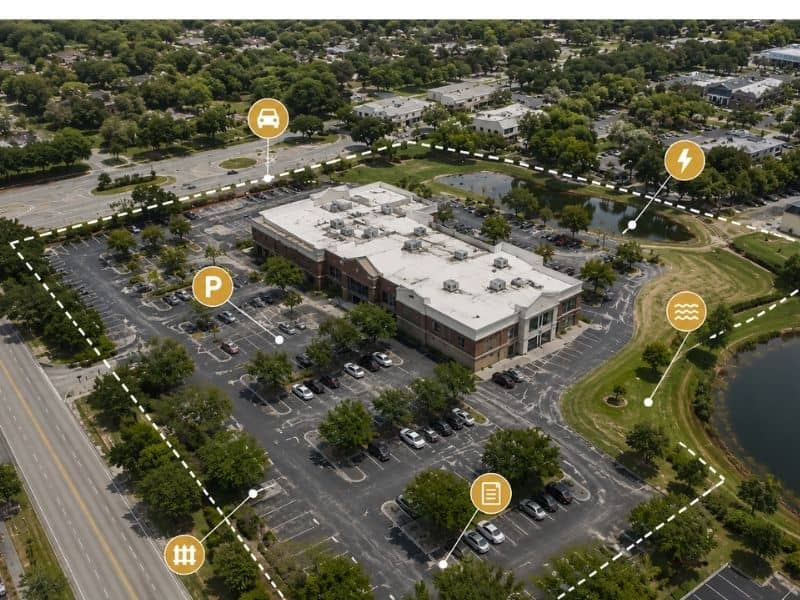
Buying commercial property sounds simple at first. You find a site, review the price, and start planning the deal. However, problems often appear once the lender, title company, or engineer starts asking questions about the ALTA survey.
Where does the property access come from?
Are utilities running through the site?
Does the parking layout match the records?
Could flood concerns affect future plans?
This is where an ALTA survey becomes important. Yet many buyers do not realize one major detail. A standard ALTA survey does not automatically include every detail a buyer may need. Some items must be requested separately through what are called Table A items.
That part surprises many commercial property buyers.
What Are Table A Items in an ALTA Survey?
Table A items are optional additions to an ALTA survey that provide extra property details beyond standard boundary information. Commercial property buyers often request Table A items for parking, utilities, flood zones, easements, and access so they can better understand development risks before closing.
An ALTA survey follows national standards used in commercial real estate deals. Lenders, attorneys, developers, and title companies often require one before closing.
The 2026 ALTA/NSPS standards also require Table A items to be specifically requested as part of the survey scope. That means buyers must decide early which details they need included in the commercial property survey.
Think of Table A items like add-ons. Buyers choose them based on the property and the type of project they plan to build.
For example, one buyer may only need property boundaries. Meanwhile, another buyer may need parking counts, utility locations, flood zone information, and access details.
That difference matters more than people think.
Why Commercial Properties Often Need Additional Table A Items
Commercial properties often involve flood concerns, shared access, utility easements, and redevelopment plans. Because of this, lenders and buyers frequently request additional ALTA Survey Table A items to reduce risk and avoid unexpected problems during commercial real estate transactions.
Daphne continues to grow quickly. New retail spaces, office buildings, restaurants, and mixed-use projects continue to appear around Baldwin County.
At the same time, many commercial sites come with unique challenges.
Some properties sit near flood-prone areas. Others have shared driveways or utility easements crossing the land. In some cases, old records no longer match the current layout of the property.
Because of that, lenders and developers often want more than the standard survey scope.
They want answers before money changes hands.
That is why choosing the right Table A items matters.
Parking and Access Table A Items
Parking and access Table A items help commercial buyers confirm parking availability, driveway access, and shared entrance conditions. These details matter because inaccurate parking layouts or unclear access rights can delay redevelopment plans and create lender concerns during commercial property transactions.
Why Parking Details Matter
Parking sounds simple until a commercial deal reaches the final stages.
A buyer may assume the property has enough parking for future tenants. However, the actual parking layout may not match the recorded plans.
In other cases, shared entrances create confusion between neighboring businesses.
That can turn into a major problem later.
For example, a buyer may purchase a retail site expecting easy highway access. Then the survey reveals shared access rights with another property owner nearby.
Suddenly, future redevelopment plans become more complicated.
Because of that, many buyers request parking and access-related Table A items early in the process.
How Shared Access Creates Problems
Shared access may affect traffic flow, customer parking, and future site improvements. In some commercial developments, neighboring businesses rely on the same driveway or access lane.
If those rights are unclear, lenders may request additional documentation before approving financing.
That delay can slow the entire deal.
Utility Location Table A Items
Utility-related Table A items identify utility easements, service lines, and infrastructure that may affect future construction. Buyers often request these items because underground utilities can limit building expansion, parking layouts, and future development opportunities on commercial properties.
Why Utility Easements Affect Development
Utilities create another common surprise.
A property may look wide open during a walkthrough. However, underground utility easements can limit where future buildings, signs, or parking lots can go.
That becomes expensive once design work starts.
For example, a buyer may plan to expand a medical office building later. Then the survey shows utility lines running directly through the planned expansion area.
Now the project must change.
Why Buyers Request Utility Information Early
Commercial buyers often request utility-related Table A items before finalizing the deal because redesigns can increase both cost and construction timelines.
Early utility information also helps engineers and architects avoid site conflicts during planning.
Flood Zone Table A Items for Coastal Alabama Properties
Flood zone Table A items help buyers understand flood-related risks tied to commercial properties near Daphne. These details can affect insurance costs, financing approval, site planning, and future development decisions, especially in coastal areas with increased lender scrutiny.
Flood concerns affect many coastal Alabama properties. Therefore, lenders often look closely at flood-related risks during commercial transactions.
Some buyers assume the property sits outside flood-sensitive areas because the site appears dry. However, lenders usually want clear documentation before approving financing.
Insurance costs may also change depending on flood zone classification.
That surprise can affect the entire project budget.
For example, a buyer may plan to build near Daphne’s growing commercial corridors. Then flood-related findings create additional insurance requirements during closing.
Now the buyer faces unexpected costs and delays.
Because of that, flood-related Table A items often become important in coastal markets like Daphne.
Easement and Encroachment Table A Items
Easement and encroachment Table A items reveal legal rights and physical overlaps affecting a property. Buyers request these items to identify drainage easements, shared access areas, or neighboring structures that may limit redevelopment or reduce usable commercial land.
Common Easement Problems Buyers Discover
Many buyers focus only on the visible parts of the property. However, legal rights attached to the land matter just as much.
An easement may allow utility companies access through the site. Meanwhile, an encroachment may show that a neighboring structure crosses property lines.
Both situations can limit future development.
For example, a buyer may want to expand parking behind a commercial building. Then the survey reveals a drainage easement running through the planned area.
Now the expansion cannot move forward as planned.
How Encroachments Delay Redevelopment
Encroachments often create delays during redevelopment projects because buyers may need additional approvals, redesigns, or legal review before moving forward.
This type of issue appears more often than buyers expect.
Most Commonly Overlooked Table A Items
Many buyers request an ALTA survey thinking it covers everything automatically. Later, the lender or attorney asks for additional details that were never requested.
That creates delays, added fieldwork, and extra costs.
Usually, the problem starts because buyers focus only on boundaries while overlooking the details that affect real-world property use.
Commonly overlooked Table A items include:
- Parking counts
- Access routes
- Utility locations
- Flood zone details
- Easements
- Encroachments
- Site improvements
These details often matter more than the property lines themselves.
How Buyers Choose the Right ALTA Survey Scope
Commercial buyers choose ALTA Survey Table A items based on lender requirements, redevelopment goals, flood concerns, utility risks, and future site plans. Early communication between the surveyor, title company, lender, and engineer helps buyers avoid missing important property details.
Every commercial property works differently. Because of that, buyers should choose Table A items based on the actual project goals.
For example:
- A retail site may need parking and access details.
- A redevelopment project may need utility and easement information.
- A coastal property may require flood-related details.
- A lender may request specific title-related items.
The best approach involves early communication.
Surveyors, lenders, title companies, engineers, and attorneys should discuss the property before the survey begins.
That helps buyers avoid missing important details later.
Why Early ALTA Planning Helps Commercial Deals Close Faster
Commercial real estate deals already move quickly. Therefore, last-minute survey revisions often create unnecessary stress.
A missing Table A item can delay financing, title review, or site planning.
Meanwhile, early planning creates a smoother process.
Buyers gain a better understanding of the property. Lenders receive clearer documentation. Engineers can design around known site conditions.
Most importantly, buyers avoid surprises after closing.