
Hidden Property Problems a Land Survey Can Catch Early
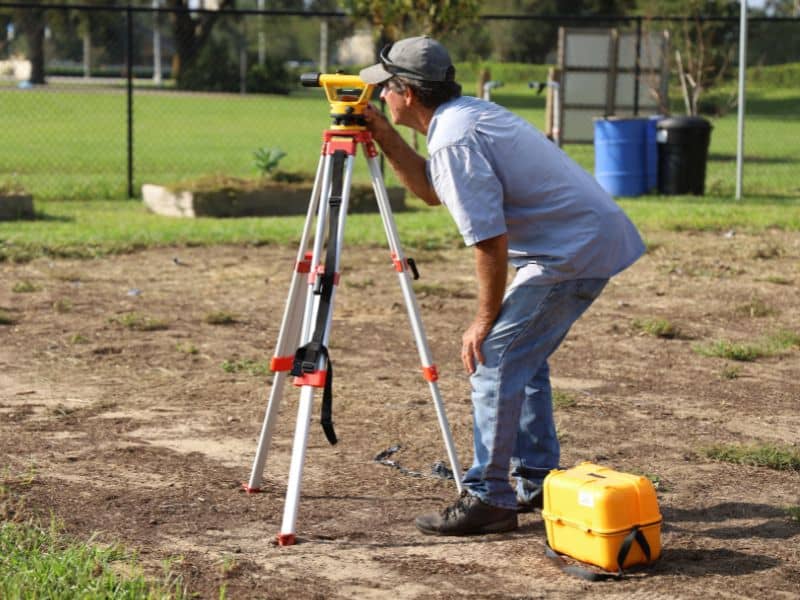
Most property problems do not show up right away. A land survey helps property owners uncover hidden issues before construction, buying, selling, or major improvements begin. At first, the land may look clear and ready to use. The fence lines seem normal. The driveway looks fine. The yard appears level. So many property owners move forward without thinking twice.
Then the problems begin.
A neighbor claims part of the land. Water starts collecting near the house after heavy rain. A contractor discovers that the planned garage crosses into a setback area. Sometimes, owners even learn that utility companies have legal rights to use part of the property.
These problems surprise people because they stay hidden until construction or legal work begins.
That is where a land survey helps.
A land survey gives property owners a clear picture of the land before small issues turn into expensive problems.
Why Hidden Property Problems Often Go Unnoticed
Many property problems stay hidden because they do not stand out during a normal walk around the land. However, construction projects, permit applications, and property sales often expose those issues later.
Many land issues do not stand out during a quick walk around the property.
In fact, some problems stay unnoticed for years. Then one project suddenly exposes everything.
For example, someone may decide to install a fence. However, the fence contractor discovers that an old corner marker does not match the current fence line.
Other owners plan a home addition and learn that part of the project sits too close to the property boundary.
At that point, fixing the problem becomes harder and more expensive.
A land survey helps uncover these issues early before money gets spent on the wrong plans.
Property Line Problems Can Create Expensive Disputes
Property line issues are one of the most common reasons people order a land survey. A survey helps confirm true boundary locations before owners build fences, sheds, garages, or driveways.
Common Property Line Problems
- Fences crossing onto neighboring land
- Sheds built outside the true property line
- Missing or damaged corner markers
- Landscaping extending onto nearby property
- Driveways built too close to the boundary
Many owners assume the existing fence marks the true property line. Unfortunately, that is not always correct.
Over time, fences move. Previous owners guess at boundaries. Old markers disappear. Trees and landscaping also make boundaries harder to see.
As a result, people sometimes build sheds, patios, or driveways in the wrong location without knowing it.
That can lead to:
- Neighbor disputes
- Removal costs
- Permit delays
- Legal problems
A land survey measures the property carefully and shows the true boundary lines. That way, owners know exactly where construction should begin and end.
Easements Can Limit Where You Build
Many property owners do not realize that easements can limit construction on part of the property. A land survey helps identify utility, drainage, and access easements before building plans begin.
Common Easement Examples
- Utility line easements
- Drainage easements
- Shared driveway access
- Sewer or water line access areas
Many property owners have never heard the word “easement” until it creates a problem.
An easement gives another party legal rights to use part of the property. Utility companies often hold easements for power lines, drainage systems, or underground pipes.
The problem is that easements do not always look obvious from the surface.
A homeowner may plan a pool, workshop, or driveway expansion without realizing that the planned area falls inside an easement.
Later, the city or utility company may stop the project.
That surprises many owners because the yard looked open and usable.
A land survey helps identify easements early so owners can plan around them before construction begins.
Drainage Problems Can Hide on Flat-Looking Land
A property may look flat while still having serious drainage concerns. A land survey helps identify elevation changes that affect water flow, erosion, and flooding risks.
Signs of Potential Drainage Problems
- Standing water after rain
- Soil erosion near structures
- Muddy areas that stay wet
- Water flowing toward the house
- Uneven grading across the yard
A property may appear flat at first glance. However, water tells a different story.
Even small elevation changes affect drainage.
During heavy rain, water follows the lowest path across the land.
That movement can create:
- Standing water
- Erosion
- Foundation problems
- Muddy yards
- Flooding near structures
These problems often become worse after construction changes the natural flow of water.
This matters even more in places like Daphne, where strong Gulf Coast storms bring heavy rain throughout the year.
A survey helps identify elevation changes and drainage concerns early. That information helps builders and property owners avoid future water problems.
Access and Driveway Problems Can Delay Projects
Many owners assume they fully control the driveway or access road connected to the property. However, land records sometimes show shared access rights or easements that affect development plans.
Situations Where Access Problems Appear
- Property sales
- New construction planning
- Permit applications
- Commercial site development
- Land subdivision projects
Some property owners assume they fully control the driveway or access road connected to the property.
Then paperwork tells a different story.
In some cases, neighbors share access rights. Other properties rely on recorded easements for entry. Sometimes, older land records create confusion about who legally controls the road.
Without clear access rights, projects may slow down or stop completely.
A land survey helps confirm where legal access exists and whether any shared-use agreements affect the property.
Older Property Records Are Not Always Accurate
Older property records sometimes contain outdated measurements, missing landmarks, or unclear descriptions. Modern land surveying helps compare old records with current site conditions.
Many properties in older neighborhoods carry outdated records.
Over time, roads shift slightly. Landmarks disappear. Previous surveys may use measurements from decades ago. In some situations, handwritten records create confusion between neighboring parcels.
That creates problems when owners try to:
- Sell property
- Divide land
- Build additions
- Apply for permits
Modern surveying tools help compare older records with actual site conditions.
As a result, property owners gain a much clearer understanding of what truly exists on the land today.
Finding Problems Early Can Save Money
Catching property problems early often reduces delays, redesign costs, legal disputes, and expensive construction changes. A land survey helps owners make better decisions before projects move forward.
Benefits of Early Land Surveying
- Fewer construction delays
- Lower redesign costs
- Better permit approval process
- Reduced legal conflicts
- More accurate planning
Most property problems become more expensive once construction starts.
For example, moving a fence after installation costs far more than adjusting the layout beforehand. The same goes for relocating driveways, redesigning additions, or fixing drainage mistakes.
That is why early planning matters.
A land survey helps property owners make smarter decisions before projects move forward.
In many cases, the survey cost becomes much smaller than the cost of fixing hidden mistakes later.
When Property Owners Usually Need a Land Survey
Property owners often order a land survey before buying property, building structures, dividing land, or resolving boundary disputes.
Common Reasons to Order a Land Survey
- Buying property
- Building a home
- Adding a garage
- Installing a fence
- Planning commercial development
- Dividing land
- Resolving neighbor disputes
Even smaller projects can benefit from accurate property information.
After all, land problems rarely fix themselves.