
Easements Explained: What Every Property Owner Must Know Before It’s Too Late
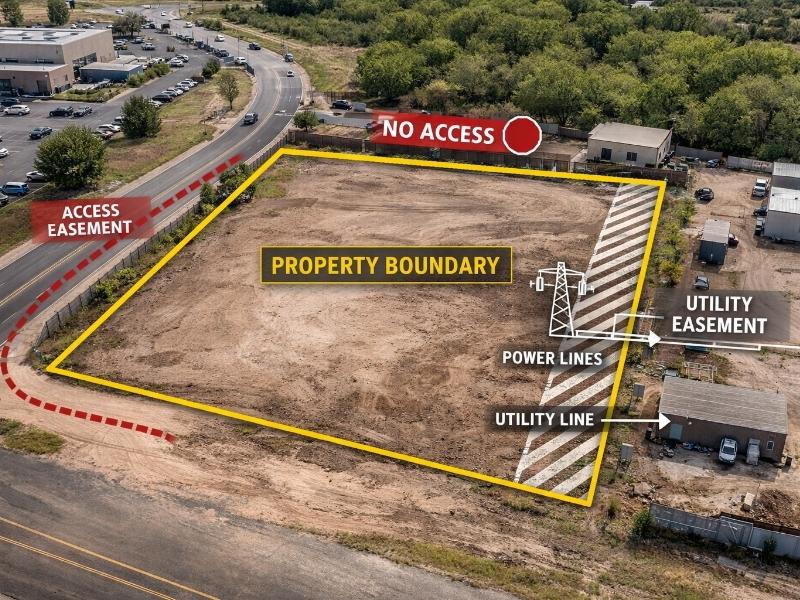
If you’ve ever bought land and assumed you had full control over every inch of it, you may want to sit down. Understanding easements before purchasing or developing land can help you avoid costly surprises because they can quietly limit what you build and how you use your property. They don’t always show up in plain sight. And by the time most developers find out about them, the damage is already done.
What Is an Easement?
An easement gives another party the legal right to use a portion of your property for a specific purpose. That party could be a utility company, a neighbor, a government agency, or even the general public.
You still own the land. But your ownership comes with strings attached.
Easements run with the land. That means they transfer automatically when a property is sold. You can’t negotiate one away just by buying the lot.
Types of Easements You’ll Encounter
Utility Easements
These are the most common type in Daphne and surrounding areas. Power companies, water authorities and telecom providers often hold recorded rights to access a strip of your land for lines, pipes or equipment. You cannot build a structure over that strip.
If you try, you’ll be asked to remove it. At your own expense.
Access Easements
When a neighboring parcel has no direct road frontage, the owner may hold a legal right to cross your property to reach a public road. This is called an access easement or a right-of-way.
Before you fence off any portion of your lot, confirm there’s no recorded access easement running through it.
Drainage Easements
Baldwin County gets significant rainfall. Drainage easements protect designated flow paths for stormwater across private land. Building over one puts you in conflict with both the county and your neighbors downstream.
Prescriptive Easements
This one catches developers off guard. Under Alabama law, if someone has openly used a portion of your property for 20 continuous years without your permission, they may have a legal right to keep doing so.
You don’t have to sign anything. You don’t have to agree. If the use has been open, continuous and uninterrupted long enough, a court can recognize it as a legal easement.
Conservation Easements
A prior owner may have voluntarily agreed to restrict development on the property in exchange for tax benefits. That restriction follows the deed. If you buy land with a conservation easement attached, those restrictions are now yours to deal with.
How Easements Are Created
They don’t appear by accident, but they can form in ways that aren’t obvious in a basic title search. Common sources include:
- Deed language recorded at the time of sale
- Separate documents filed with the Baldwin County Probate Court
- Court orders following property disputes
- Long-term open use by a neighbor or the public (prescriptive)
- Voluntary agreements with conservation organizations
The ones recorded with the probate court are findable. The prescriptive ones are not always visible in public records
What Easements Mean When You’re Building
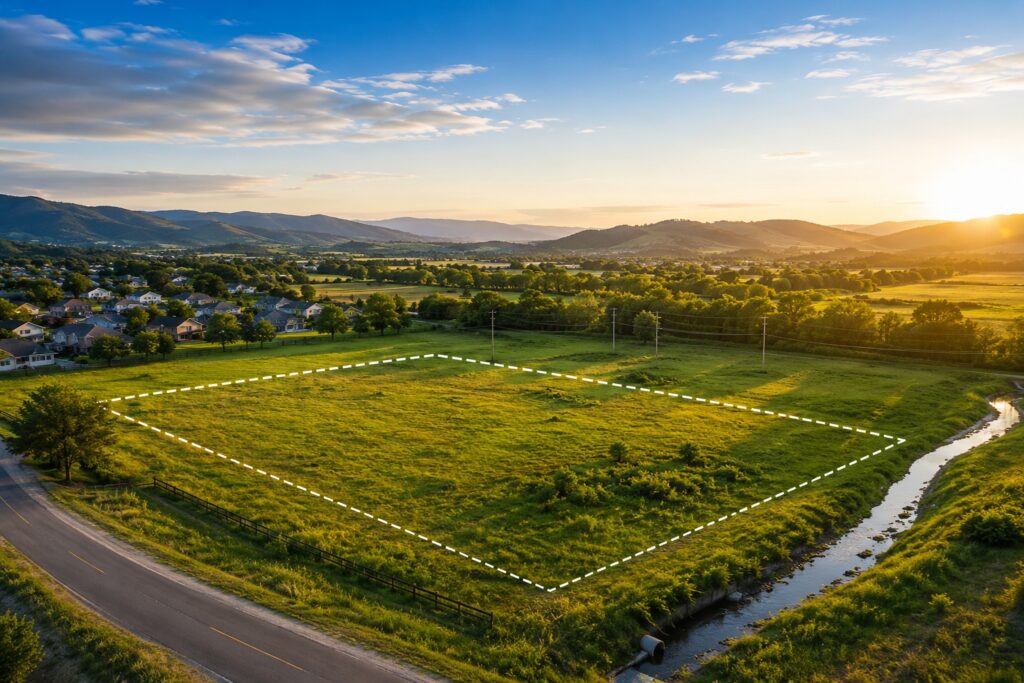
A utility easement running diagonally across a residential lot can eliminate your preferred building footprint entirely. A drainage easement near the rear setback might push your structure 10 to 15 feet further forward than you planned.
Finding this out during site plan review costs time. Finding it out after grading has started costs money. Finding it out after you’ve poured a foundation costs a great deal more than either.
A boundary and easement survey, completed before you finalize your site plan, shows you exactly where recorded easements fall on the ground. Not just described in a deed. Staked out on the actual lot.
That’s the difference between planning on solid ground and replanning under pressure.
Can You Remove an Easement?
Yes. But it takes work. The most common paths include:
- By agreement: Both parties sign a recorded release document.
- By abandonment: The easement holder stops using it and demonstrates no intent to resume.
- By merger: You acquire the property that benefits from the easement, combining both parcels under one owner.
- By court order: A judge rules the easement is no longer valid.
In Alabama, removing an easement almost always requires an attorney. A new survey documenting the change on the ground is often required before any release is recorded.
What Happens If You Build Over an Easement
Don’t.
If you place a structure, a fence or a retaining wall over an easement without written consent from the holder, you can be ordered to remove it. That includes finished construction. Alabama courts have sided with easement holders in these disputes consistently.
Some utility companies hold blanket rights to remove anything within their easement corridor. No prior notice. No reimbursement.
How to Find Easements Before You Close
Use this checklist on every parcel before signing anything:
- Order a title search through a licensed Alabama title company.
- Review the deed for any easement language in the legal description.
- Pull recorded documents from the Baldwin County Probate Court.
- Commission a boundary and easement survey from a licensed land surveyor.
- Walk the property. Look for utility infrastructure, worn paths or drainage channels that suggest regular use.
A title search and a land survey work together. One tells you what’s recorded. The other tells you where it actually sits on your lot.
Frequently Asked Questions
Do easements affect property value?
They can. An easement that runs through a buildable area reduces usable square footage. That affects what you can develop and what a lender will say about the land’s value. Conservation easements may reduce assessed value, which can lower property taxes but also limits future use.
Can I build a fence inside an easement area?
It depends on the recorded terms. Some easements allow fencing as long as you provide access when the holder needs it. Others prohibit any physical barrier. Read the actual recorded document before you put it in a post.
Are easements permanent?
Most are, unless the document includes an expiration date or the holder formally releases the right. Utility and prescriptive easements in Alabama are typically permanent once established.
Does a land survey show all easements?
A boundary survey by a licensed surveyor will show recorded easements. It may not reveal prescriptive easements that were never filed with the court. Pair any survey with a title search for the most complete picture.
Who maintains an easement area?
The easement holder is generally responsible for the area they use and access. The property owner is responsible for the surrounding land. The recorded document usually defines this. If yours doesn’t, an attorney can help clarify.