
Boundary Survey Clues That Help Settle Fence Line Confusion
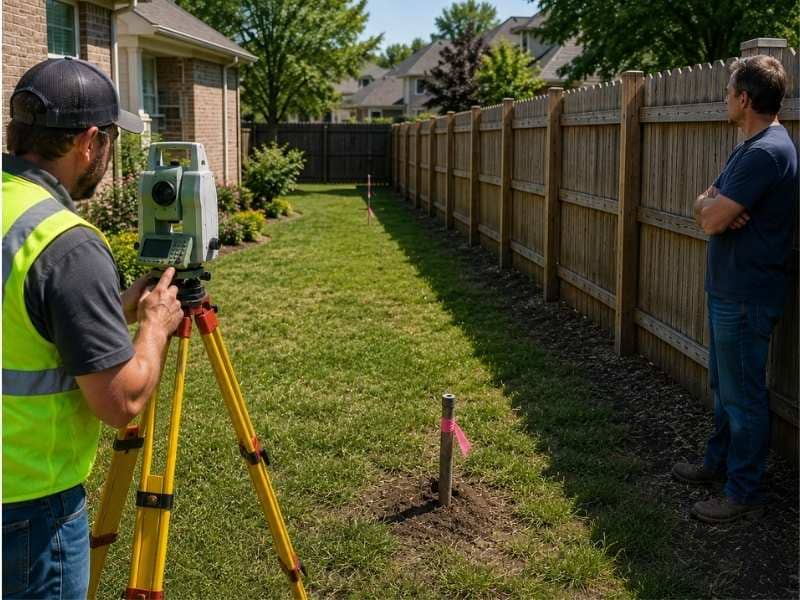
A fence that sits a few feet off the property lines can cause real problems between neighbors. Sometimes no one even knows there is a problem until someone checks. A boundary survey is the tool that shows where the property line actually is, not where someone guessed it was years ago. If there is confusion about a fence, this is usually where the answer starts.
How a Boundary Survey Shows Where the Property Line Really Is
A boundary survey finds the true location of a property line by using legal records and precise field measurements. It tells property owners exactly where their land begins and ends, which is often different from where a fence is standing.
Surveyors pull the legal description of the property from recorded documents. They compare that description to what they find on the ground. When those two things don’t match, it shows up clearly in the survey results. That gap between the legal line and the actual fence is what causes most neighbor disagreements.
A fence might look like it is in the right place. It might have been there for 20 years. But looks and time do not make a fence legally correct. Only a boundary survey can confirm where the line sits.
Why an Existing Fence May Not Match a Boundary Survey
Many fences were built long before modern surveying tools existed. The person who put up the fence may have used rough estimates, paced out the distance by foot, or relied on a neighbor’s word. None of those methods are accurate enough to place a fence exactly on a legal property line.
Even fences built more recently can be off. A contractor might measure from the wrong starting point. An old deed description might be unclear. A corner marker might have been moved or buried over time. Any one of these things can push a fence several inches or even a few feet off the true line.
A boundary survey compares the fence’s actual position to the legal records. It doesn’t rely on what the fence looks like or where it has always been. It uses the recorded legal description, deed history, and physical evidence found on the ground to confirm the correct line.
What Property Markers Tell Surveyors During a Boundary Survey
Property markers are physical objects placed at the corners and edges of a property to mark the legal boundary. They are usually metal rods or pipes driven into the ground. Older properties may have stone monuments or iron pins set during a survey done decades ago.
When a surveyor arrives at a property, finding these markers is one of the first steps. Each marker that can be found and confirmed gives the surveyor a fixed point to work from. The more markers that are found and in good condition, the easier it is to confirm where the full boundary sits.
Markers matter most when fence questions come up because they show the original intent of the property line. If a fence was built two feet away from a confirmed marker, that gap is visible and measurable. The marker doesn’t move. It was placed there to mark the legal corner, and a boundary survey uses it to verify the line.
Some markers get buried under years of soil and grass. Others get knocked out of place by construction equipment or landscaping work. When a marker is missing, surveyors use other evidence to find where it should be. That includes deed records, neighboring surveys, and measurements from known points nearby.
How a Boundary Survey Gives Neighbors Clear Answers
Fence disagreements often start because each neighbor believes they are right. One person says the fence belongs on the left. The other says it belongs on the right. Without a survey, both sides are guessing.
A boundary survey removes the guesswork. It produces a drawing that shows the exact location of the property line and where the fence sits in relation to it. Both neighbors can look at the same document and see the same facts.
That shared set of facts changes the conversation. It’s no longer about what someone remembers or what they think looks right. The survey shows what the legal records and physical measurements say. That’s a much easier starting point for working out a solution.
Surveys also create a paper record. If a question about the fence comes up again years later, the survey documents the line as it was measured at a specific point in time. That record can be useful if the property ever changes hands.
Why Small Measuring Mistakes Can Lead to Fence Problems
An inch doesn’t seem like much. But when a fence runs 150 feet across a property, a small measuring error at the start can put the far end several feet off the legal line. That is enough to place a fence clearly on a neighbor’s property.
These mistakes happen more often than people expect. Someone building a fence might measure from the edge of a sidewalk instead of the actual property corner. They might misread a deed that describes the lot in a confusing way. They might assume the old fence they are replacing was in the right place.
A boundary survey catches these errors before a fence goes up, or documents them clearly after the fact. The surveyor measures from known, confirmed points and works through the legal description step by step. That process finds small errors that a tape measure and a rough estimate would miss entirely.
Fixing a fence after it is built is expensive and often leads to conflict. Getting the line confirmed first is a much simpler path.
Frequently Asked Questions
How can a boundary survey help when there is confusion about a fence line?
A boundary survey shows the true location of the property line using legal records and field measurements. It tells homeowners whether a fence is placed correctly and removes the guesswork from ownership questions.
Why do some fences not match the property line?
Some fences were built using rough estimates, old measurements, or unclear deed descriptions. A boundary survey checks the fence position against legal records to show where the property line actually is.
What are property markers, and why do they matter in a boundary survey?
Property markers are metal rods or pins placed at the corners and edges of a property to mark the legal boundary. Surveyors use them as fixed starting points to confirm where the boundary line sits.
Can a boundary survey help neighbors settle fence disagreements?
Yes. A boundary survey produces a drawing that shows the legal property line and where the fence sits in relation to it. Both neighbors can review the same facts, which makes it easier to work toward a solution.
Why can small measuring errors cause big fence problems?
A small mistake at the start of a fence line gets larger as the fence gets longer. A boundary survey measures from confirmed legal points, catching errors that rough field measurements would miss.