
Boundary Survey Issues That Surface After a Neighbor Builds First
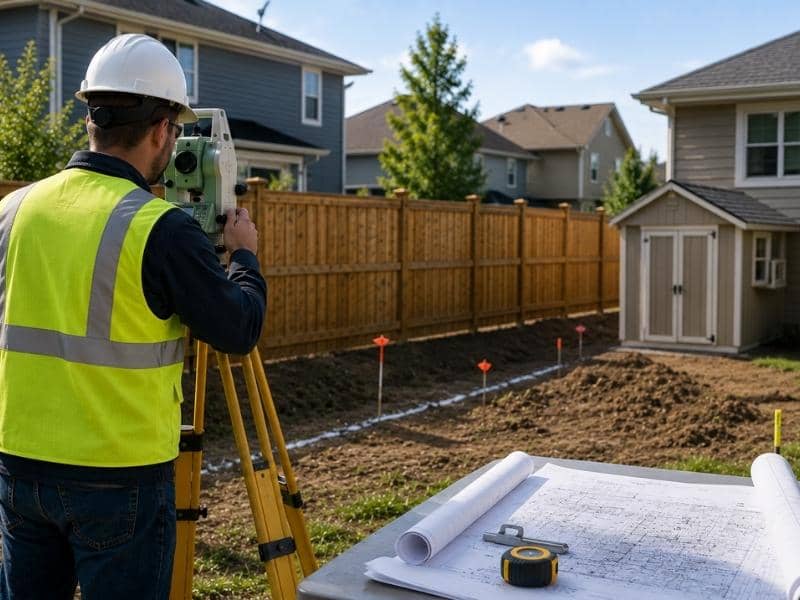
Property lines seem simple until someone builds near them. Fences, sheds, driveways, and landscaping put in without checking the actual boundary can lead to disputes that take time and money to fix. A boundary survey shows where the legal property lines sit, based on deeds, recorded documents, and field measurements. Without one, property owners often rely on guesses that turn out to be wrong.
Fence disputes are one of the most common neighbor complaints filed in local courts across the country. Many property owners find out too late that what they believed about their lot lines didn’t match the legal record. Knowing the issues that come up after a neighbor builds first gives property owners a better chance of protecting what’s theirs.
When Existing Fences Don’t Match the Legal Boundary
A fence is only as accurate as the information used to place it. Many fences get installed using visual estimates, old posts, or a neighbor’s word rather than a licensed survey. A boundary survey measures the actual legal line and shows whether a fence sits on it, inside it, or over it.
Fences that have stood for years can still be in the wrong place. A previous owner may have put the fence where they thought the line was, not where it actually is. When that property sells, the new owner inherits the fence and all the guesses behind it.
A boundary survey can reveal problems like these:
- The fence sits inside your property, giving up land without your knowledge
- The fence crosses onto the neighbor’s side, creating a removal demand
- The line was placed using an old post that no longer matches the recorded deed
Why Neighboring Structures Can Create Encroachment Concerns
An encroachment happens when a structure crosses a property line onto land it doesn’t belong to. A boundary survey finds these structures, measures them against the legal line, and documents whether they extend beyond it.
A neighbor who builds a garage close to the property line may not realize it crosses over. The same goes for retaining walls, concrete pads, and storage buildings. These situations can exist for years before anyone checks.
The problem gets harder to fix the longer it goes unaddressed. Finding it before a property closes is far cheaper than dealing with it after.
Shared Driveways and Access Areas That Become Complicated Over Time
Shared driveways and access paths that work well between neighbors often have no formal legal paperwork behind them. When a property changes hands, those informal arrangements can fall apart. A boundary survey shows where the access sits relative to the property lines and whether any recorded easement supports it.
Two neighbors sharing a driveway for twenty years feels like a settled arrangement. It stops feeling that way when one property sells and the new owner wants to know what rights they actually have.
If shared access has no recorded easement, a new owner can legally block the path. A lender may also refuse to finance a property that depends on access with no legal backing. Future buyers will face the same unanswered questions at closing. These are the moments when an old handshake agreement becomes a real problem.
What Happens When Landscaping Blurs Property Lines
Trees, hedges, irrigation systems, and garden features placed near property lines can make boundaries hard to see. Over time, these features shift or spread in ways that make it unclear where one property ends and another begins. A boundary survey cuts through the visual confusion and shows the legal line with precision.
Landscaping features that commonly cause boundary confusion include:
- Hedge rows planted along the property line that have spread over the years
- Tree root zones and mulch beds that extend beyond the original planting area
- Irrigation systems extended without checking the boundary
- Decorative garden borders that neighbors treat as a dividing line
When landscaping has been in place for a long time, neighbors sometimes assume it marks the boundary. A boundary survey replaces that assumption with a measurement.
Boundary Survey Records vs. Assumptions Made by Previous Owners
Verbal agreements, painted stakes, old posts, and informal markers do not establish legal property boundaries. Legal boundaries come from recorded deeds, plats, and field measurements by a licensed surveyor. Relying on what a previous owner said or believed can cause serious problems when those assumptions turn out to be wrong.
This is one of the most common sources of boundary disputes. A seller tells a buyer the back fence marks the property line. The buyer takes that at face value. Years later, a neighbor commissions a survey and the numbers tell a different story.
Survey evidence carries legal weight. Visual markers and verbal agreements do not.
How Early Boundary Surveys Help Prevent Costly Neighbor Disputes
Getting a boundary survey before building, buying, or making improvements gives property owners accurate information before money gets spent and structures go up. Finding a problem after construction is done is far more expensive than catching it beforehand.
Installing a fence before checking the line risks placing it in the wrong spot. Buying a property without a survey means taking on any existing encroachments. Starting construction near a shared boundary without documentation creates exposure if a dispute comes up later. When a neighbor begins building nearby, that’s a good time to establish a clear record of current conditions.
The cost of a boundary survey is small compared to the cost of a dispute. Once a structure goes up in the wrong place, every option for fixing it gets more expensive.
Frequently Asked Questions
What is a boundary survey?
A boundary survey identifies and marks the legal property lines and corners of a parcel based on deeds, recorded documents, and field measurements by a licensed surveyor.
Why get a boundary survey if a neighbor already built a fence?
A fence may not sit on the actual property line. A boundary survey shows whether the fence is correctly placed or whether an encroachment exists.
Can a boundary survey resolve a property dispute?
Yes. It provides documented evidence of the legal boundary, which property owners and attorneys can use to address disputes.
What types of encroachments can a boundary survey reveal?
It can identify encroachments involving fences, sheds, driveways, retaining walls, landscaping, and other structures that cross a property line.
Are old fences reliable indicators of property lines?
Not always. Many fences were placed using estimates or assumptions rather than a licensed survey.
When should a boundary survey be done?
Before building a fence, adding a structure, purchasing property, or any time a question about a property line comes up.
Why are fence disputes so common?
Fences are often installed without verifying the actual legal boundary, which leads to disagreements when the visible line doesn’t match the recorded one.