
Flood Survey Problems That Can Delay Insurance or Financing
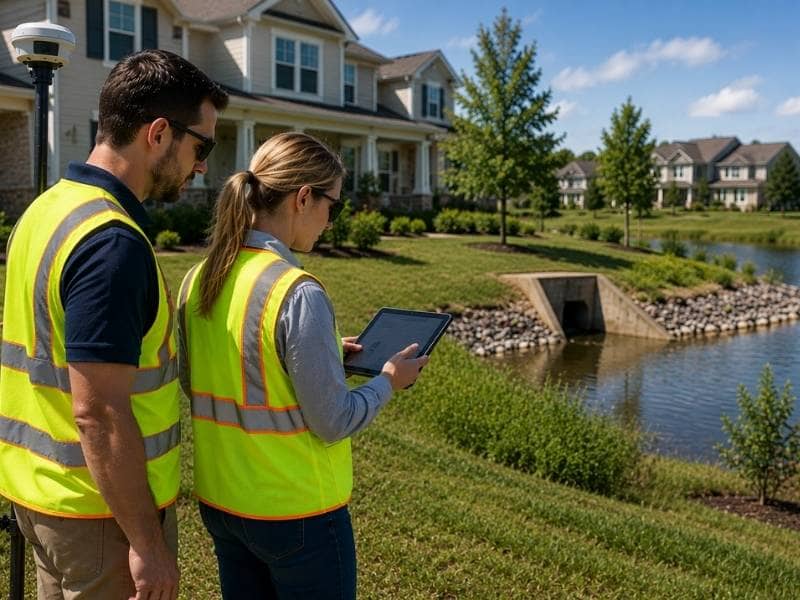
A flood survey can hold up an insurance policy or a loan in ways most homeowners don’t expect. The problems are rarely about flood risk itself. They usually come from the paperwork. Missing details, conflicting records, or old information can all stop a review before it finishes. Knowing what causes these delays makes it easier to catch problems early and fix them before they affect a closing date or a policy renewal.
Property Records That Do Not Match Can Cause Delays
A flood survey pulls information from several sources. These include FEMA flood maps, property deeds, past survey documents, and elevation data. When those sources don’t agree, lenders and insurance companies ask questions before moving forward.
One common problem is when the property description in the deed doesn’t match what the flood map shows. Another is when an older survey shows a different lot size than current records reflect. These differences don’t always mean something went wrong. Maps and records sometimes get updated at different times. Either way, a mismatch slows things down because the lender needs a clear answer before they can move ahead.
Unclear Flood Zone Lines Can Create Problems
Some properties sit right on the edge of a flood zone boundary. The line between a high-risk area and a lower-risk area runs close to or across the lot. When that happens, lenders look closely at exactly where the property falls.
If the flood survey doesn’t clearly show where the structure sits in relation to that line, the lender may treat the property as if it falls in the higher-risk zone. That can trigger a flood insurance requirement the buyer wasn’t expecting. A flood survey that clearly maps where the property sits relative to the flood zone boundary gives the lender the answer they need without extra back-and-forth.
Home Changes May Make Old Survey Data Outdated
FEMA uses specific measurements to decide how a property relates to flood risk. One of the most important is whether any part of the home sits below the Base Flood Elevation for that area. When a homeowner adds an enclosed garage, a sunroom, or a lower-level space after the original survey was done, that new area can change how the property gets reviewed.
An older flood survey that doesn’t include the new addition gives an incomplete picture. Lenders and insurance companies reviewing that document don’t know about the change. When they find out, they ask for updated information. That request stops the process while a new survey gets ordered and submitted. Updating the flood survey after major improvements avoids that delay.
Questions From Lenders Can Slow Down the Process
Lenders follow specific rules when it comes to flood risk. If a flood survey is missing required fields, shows conflicting data, or doesn’t include the right documents, the lender sends a request for more information. That request goes back to the homeowner, who then has to contact the surveyor and wait for a corrected document.
Each round of back-and-forth adds time. In a home purchase, that time comes out of the closing schedule. In a refinance, it delays when the new loan takes effect. A flood survey that is complete and accurate from the start moves through the lender’s review without those interruptions.
Checking Flood Survey Records Early Can Prevent Surprises
The best time to look at a flood survey is before starting an insurance application or a loan process. Buyers can ask for the existing flood survey documents during the review period and check them for missing fields or old information.
Homeowners who plan to refinance or renew a flood policy can do the same thing a few months early. If something looks off, there is time to order an updated survey without pressure. Waiting until a lender or insurance company finds the problem means fixing it under a deadline, which is harder than catching it ahead of time.
Frequently Asked Questions
What is a flood survey?
A flood survey provides information about a property’s elevation and its relationship to flood risk areas. Lenders and insurance companies use it to understand how a property relates to FEMA flood zones.
Why do lenders review a flood survey?
Lenders use flood survey information to confirm where a property sits relative to flood risk areas before approving a loan. Properties in high-risk zones may require flood insurance as part of the loan.
Can home improvements affect a flood survey?
Yes. Additions like enclosed garages or lower-level spaces can change how a property relates to flood risk measurements. An older survey that doesn’t include those changes may no longer be accurate.
Can flood zone lines affect insurance requirements?
Yes. A property that sits near a flood zone boundary may face different insurance requirements depending on where the structure falls. A clear, accurate flood survey removes that uncertainty.
How can I help avoid delays with a flood survey?
Review your flood survey documents before applying for insurance or financing. Make sure all fields are complete, the information reflects current property conditions, and the records match your deed and other documents.