
How to Find Property Lines on Older Properties
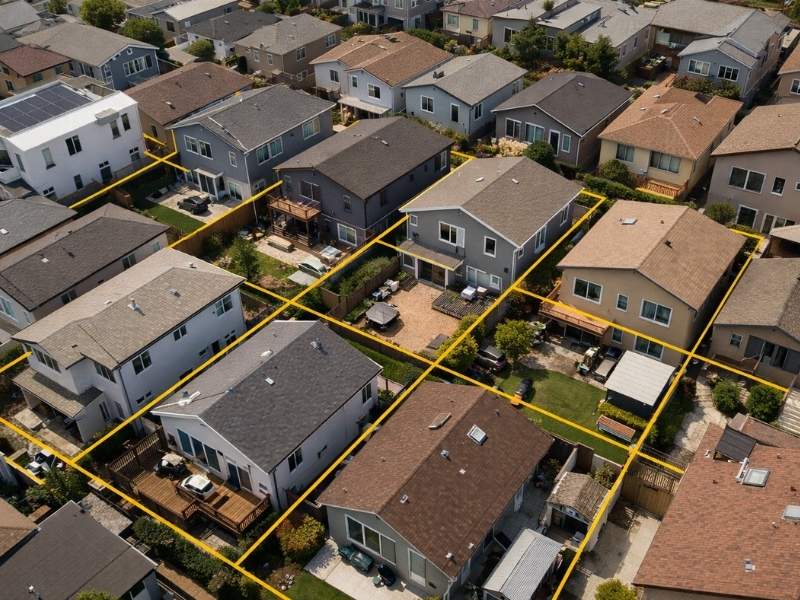
Older properties create problems fast when property lines are unclear. Developers may see old fences, worn markers, or outdated deeds that no longer match what exists on the ground.
That creates risk before grading, planning, or construction begins.
Knowing how to find property lines on older properties helps avoid delays, neighbor disputes, and expensive layout mistakes later.
Why Older Properties Create Boundary Problems
Older parcels often have records that were created decades ago.
Some legal descriptions use landmarks that no longer exist. Others contain measurements that do not match modern mapping standards.
Common problems include:
- Missing survey markers
- Old fences in the wrong location
- Trees used as boundary references
- Conflicting deed descriptions
- Subdivision changes over time
Developers run into trouble when they assume old boundaries are still accurate.
How to Find Property Lines Using Existing Deeds
The first step is reviewing the deed.
A deed may describe:
- Property dimensions
- Corner references
- Adjacent parcels
- Recorded easements
- Historic lot information
Some older deeds are vague. They may reference old roads, creeks, or landmarks that changed years ago.
Developers should compare the current deed with neighboring records when possible.
That helps uncover conflicts early.
Old Surveys Can Help Locate Property Lines
Past surveys are useful when available.
They may show:
- Original corner markers
- Fence locations
- Building setbacks
- Utility easements
- Previous encroachments
Still, older surveys should not be treated as perfect.
Some were completed before modern GPS equipment became common. Others may not reflect later changes to the property.
A newer boundary survey is often needed before development work begins.
Property Pins Are Not Always Easy to Find
Many people expect property pins to sit clearly at every corner.
That rarely happens on older land.
Markers may become:
- Buried underground
- Covered by grass
- Bent during construction
- Removed during grading
- Hidden by tree growth
Some markers disappear completely over time.
Developers should avoid digging blindly or guessing where corners exist.
Fences Do Not Always Follow Legal Property Lines
Old fences cause confusion often.
A fence may look permanent, but that does not mean it follows the legal boundary.
Some were built for convenience years ago. Others shifted during repairs or rebuilding.
Developers should never assume a fence defines ownership without survey verification.
That mistake creates legal problems fast.
GIS Maps Have Limits
Online parcel maps are useful for basic reference.
They are not legal survey documents.
GIS maps may contain:
- Offset boundaries
- Approximate dimensions
- Outdated parcel shapes
- Incorrect corner placement
Many developers trust online maps too much.
A rough parcel image should never guide construction layout or site planning.
Trees, Creeks, and Old Landmarks Create Problems
Older legal descriptions sometimes reference natural landmarks.
Examples include:
- Oak trees
- Fence rows
- Creeks
- Dirt roads
- Stone piles
Those features change over time.
A creek may shift. Trees die. Roads move. Fence rows disappear.
That makes boundary research harder on older sites.
Neighboring Properties Can Reveal Boundary Clues
Nearby parcels sometimes help solve boundary issues.
Surveyors may compare adjoining deeds and corner evidence to confirm property lines.
This process matters when:
- Markers are missing
- Measurements conflict
- Subdivision records are incomplete
- Old plats contain errors
Developers often overlook how connected neighboring records can be.
Boundary work rarely involves one parcel alone.
Encroachments Are Common on Older Lots
Encroachments happen more often than many developers expect.
Common examples include:
- Driveways crossing lines
- Sheds over setbacks
- Retaining walls on adjacent land
- Utility lines outside easements
- Fences crossing boundaries
Some encroachments existed for decades before anyone noticed them.
That becomes a serious issue once development begins.
How to Find Property Lines Before Development Starts
Developers should confirm boundaries before:
- Site design
- Drainage planning
- Utility installation
- Grading work
- Permit applications
Waiting too long creates risk.
Bad boundary data can affect setbacks, parking layouts, access roads, and utility placement.
Fixing those mistakes later costs far more.
Signs a New Boundary Survey Is Needed
Older properties usually need updated survey work when:
- Boundary markers are missing
- Old surveys conflict
- Fences look questionable
- The property changed ownership many times
- New construction is planned
- Easement locations are unclear
Developers should treat uncertain property lines as a warning sign.
Ignoring them creates expensive surprises later.
How Surveyors Confirm Older Property Lines
Surveyors combine field evidence with legal research.
They may review:
- Deeds
- Recorded plats
- Historic surveys
- County records
- Neighboring parcel information
Field crews also search for physical evidence such as markers, monuments, fence remnants, and corner pins.
The process takes time on older sites.
That is normal.
Common Mistakes Developers Make
Relying on Verbal Property Descriptions
Neighbors often believe they know where lines exist.
Sometimes they are wrong.
Verbal information should never replace legal survey data.
Starting Site Work Too Early
Some developers begin clearing or grading before verifying boundaries.
That creates avoidable problems.
Trusting Old Fences
Fences may look official. Many are not.
Boundary lines still require proper verification.
Why Accurate Property Lines Matter
Property line mistakes affect more than ownership.
They can impact:
- Site approvals
- Drainage design
- Utility routing
- Parking layouts
- Access roads
- Building setbacks
Developers who confirm boundaries early avoid many of the worst delays.
Frequently Asked Questions
How can I find property lines on older properties?
Start with the deed, prior surveys, and county records. A professional boundary survey may still be needed to confirm legal lines.
Are old fences accurate property boundaries?
Not always. Many fences do not match legal property lines.
Can online parcel maps show exact property lines?
No. GIS maps are reference tools and should not replace a boundary survey.
Why are property markers missing on older land?
Markers may become buried, damaged, moved, or removed over time.
When should developers order a boundary survey?
Before design, grading, utility work, or permit applications begin.